SQL vs. Python: Which Should You Learn First in 2026?
Both are in every data job description, but one gets you hireable far faster. Here is the honest case for learning SQL first.
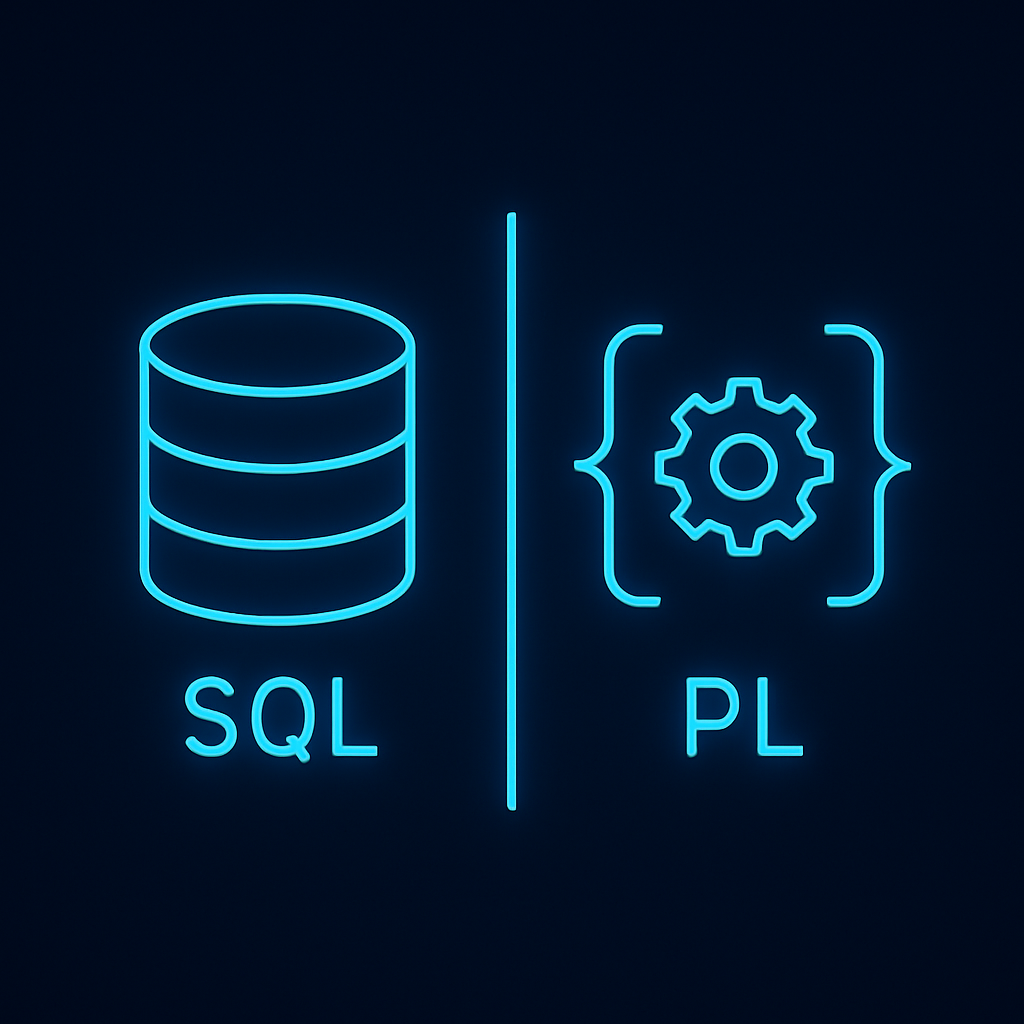
If you're breaking into data, you've seen both names everywhere: SQL and Python. The internet loves to argue about which is "better," but that's the wrong question. The right question is: which one makes you employable fastest?
The honest answer for almost everyone is SQL first.
Why SQL wins the "first language" race
- Every data role touches it. Analysts, data scientists, engineers, product managers, and even marketers query databases. Python is common, but SQL is nearly universal.
- It's faster to learn. SQL has a small, focused surface area. You can write genuinely useful queries in your first week — something that takes much longer in a general-purpose language.
- It maps directly to interviews. Most data interviews include a live SQL round. Far fewer ask you to build a Python script from scratch.
What each language is actually for
SQL is the language of asking questions of data that already exists:
SELECT
  category,
  COUNT(*)        AS products,
  AVG(unit_price) AS avg_price
FROM products
GROUP BY category
ORDER BY avg_price DESC;
Python is the language of automation, modeling, and glue — pulling data, transforming it at scale, and building machine-learning models. It's powerful and worth learning. It's just not where you should start.
The pragmatic path
- Learn SQL until you're comfortable with joins, aggregations, subqueries, and window functions.
- Get a credential that proves it, so your resume isn't just a claim.
- Then layer Python on top — you'll learn it faster because you already think in data.
Start with the language that gets you hired
SQLCertified is built to take you from your first SELECT to a verifiable certification entirely through hands-on, in-browser challenges. Master the skill that appears in every data job description first — then everything else gets easier. The fastest path starts today.
Share this article
Comments
No comments yet
Sign in to join the conversation.
Sign in to commentBe the first to comment.